
When we hear the words climate crisis, what usually comes to mind are flash floods, forest fires, or extreme weather reports on TV. We often feel that these issues are far removed from our daily lives — as if they only concern environmental activists, scientists, or the government.
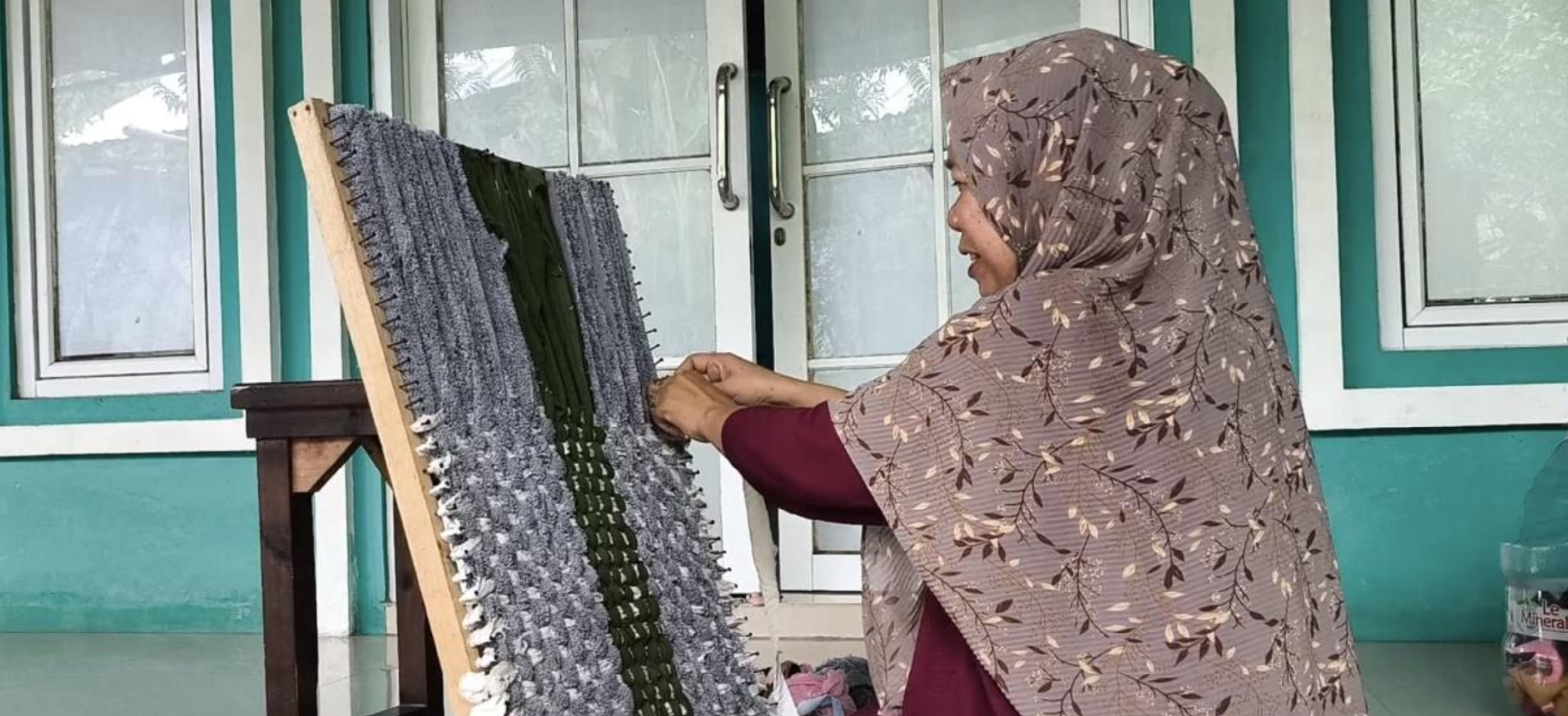
But let’s take a closer look. The effects of the climate crisis are actually present in simple things we experience every day. For example, chili prices that suddenly skyrocket because of unpredictable weather. Fishermen unable to go to sea due to high waves. Or small food stalls struggling to get ingredients because heavy rains have disrupted distribution for days.
For some people, this might just sound like an economic story. But for MSME owners—especially women who rely on small shops or home-based businesses—it’s about survival. It’s about whether the kitchen keeps running or has to go cold.
And this is what often goes unnoticed: women MSME entrepreneurs are actually on the frontlines of the climate crisis.
MSMEs Speak Up: From Small Stalls to Digital Media
As the co-founder of UMKM Bersuara (MSMEs Speak Up), I often hear stories that make me rethink who the real “adaptation heroes” are in this era of climate crisis.
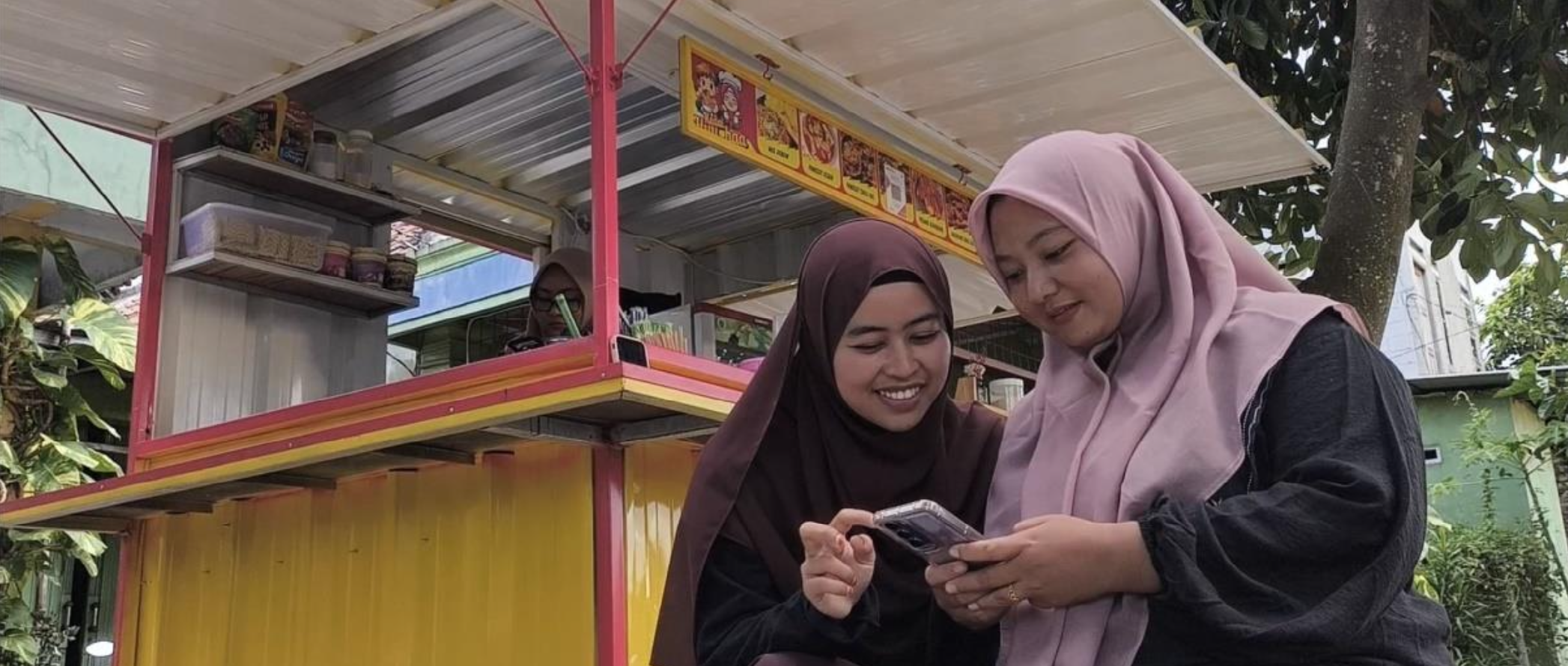
UMKM Bersuara itself is a local MSME media platform we built with a simple goal: to help MSMEs—especially women—move up a level through the use of digital media. We want their voices to be heard not just in traditional markets, but also in digital spaces.
This journey isn’t taken alone. We are supported by Pattiro Serang, Atma Connect, and the Internet Society Foundation—organizations that believe local MSMEs play a vital role in community resilience. And it turns out, that belief is absolutely true.
Resilience Found in Simple Things
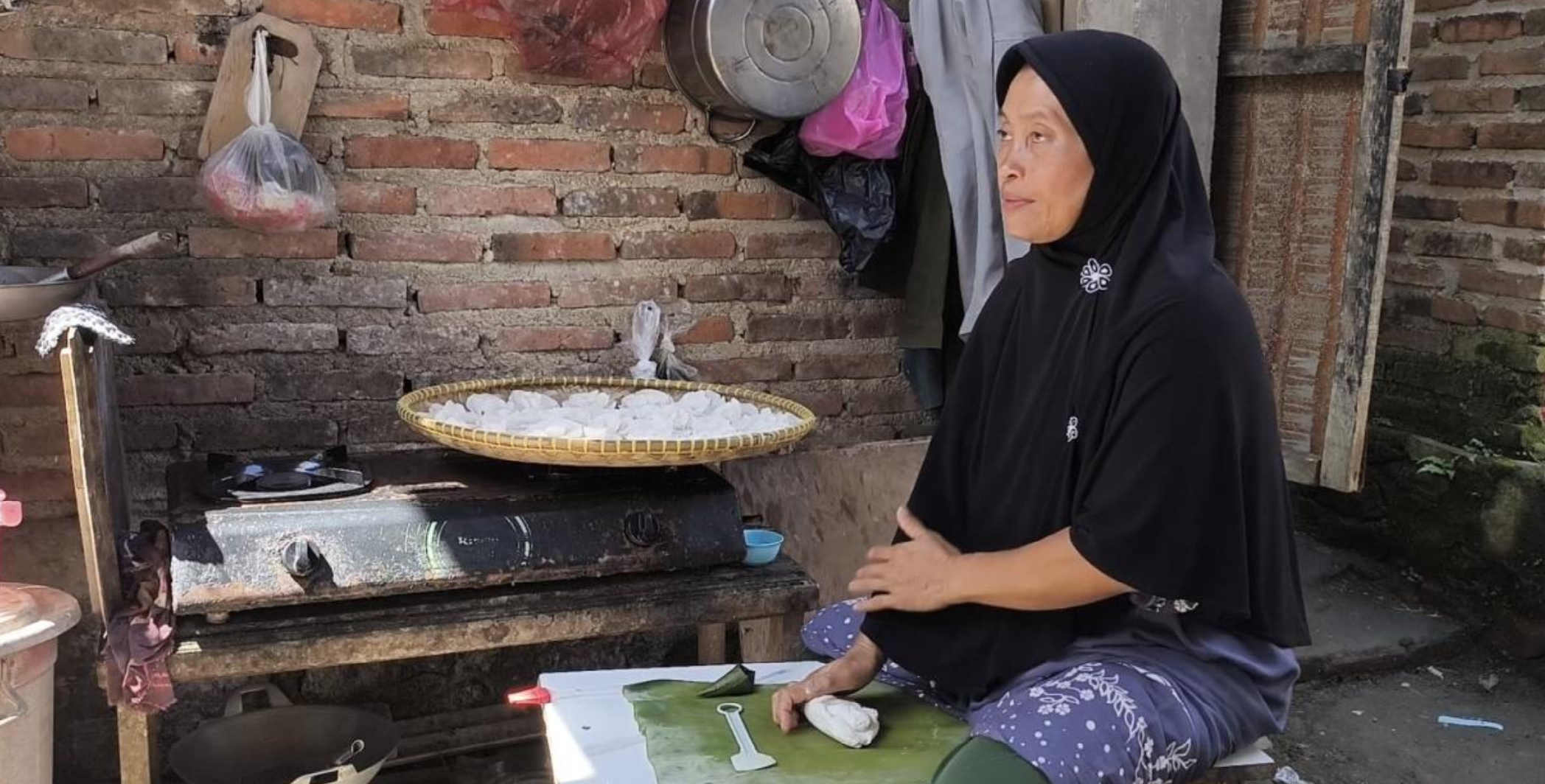
Let me give you a real example. There’s a woman in Serang who sells traditional cakes. Her business is simple, her kitchen small, and her marketing used to rely solely on word of mouth. But when the rainy season made the market empty, her sales dropped drastically. If she stopped producing, she’d lose money. If she kept producing, she was afraid her cakes wouldn’t sell.
In this difficult situation, she tried a new approach: promoting through the neighborhood WhatsApp Group. At first, only her neighbors ordered. Gradually, because her posts were consistent and her photos appealing, orders started coming in from outside the village—and even from the next town.
Now, WhatsApp has become her new marketplace. From a kitchen that used to be quiet, orders now come in almost every day. For her, this isn’t just “online selling.” It’s survival mode.
This story is simple but carries a big message: adaptation doesn’t always require advanced technology. Sometimes it just takes the courage to try something new with the tools we already have.
The Climate Crisis Is Real in Small Shops
In international forums, the climate crisis is discussed using sophisticated terms like carbon footprint, green economy, or sustainable development. But for women MSME entrepreneurs, it’s much more tangible: skyrocketing raw material prices, chaotic harvest seasons, and disrupted distribution chains.
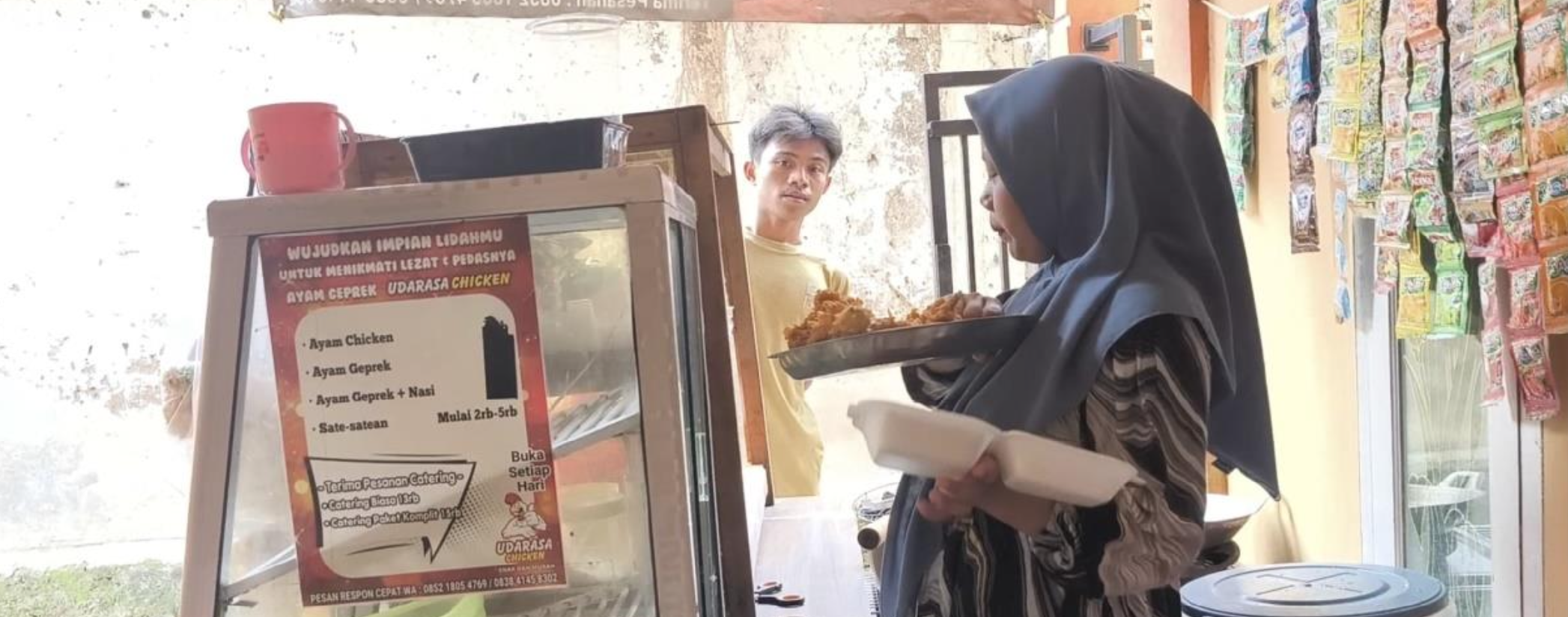
That’s why the theme “Voices from the Frontlines of the Climate Crisis” is so relevant. Because the voices of women MSME owners are not just stories of struggle—they are proof that adaptation is real.
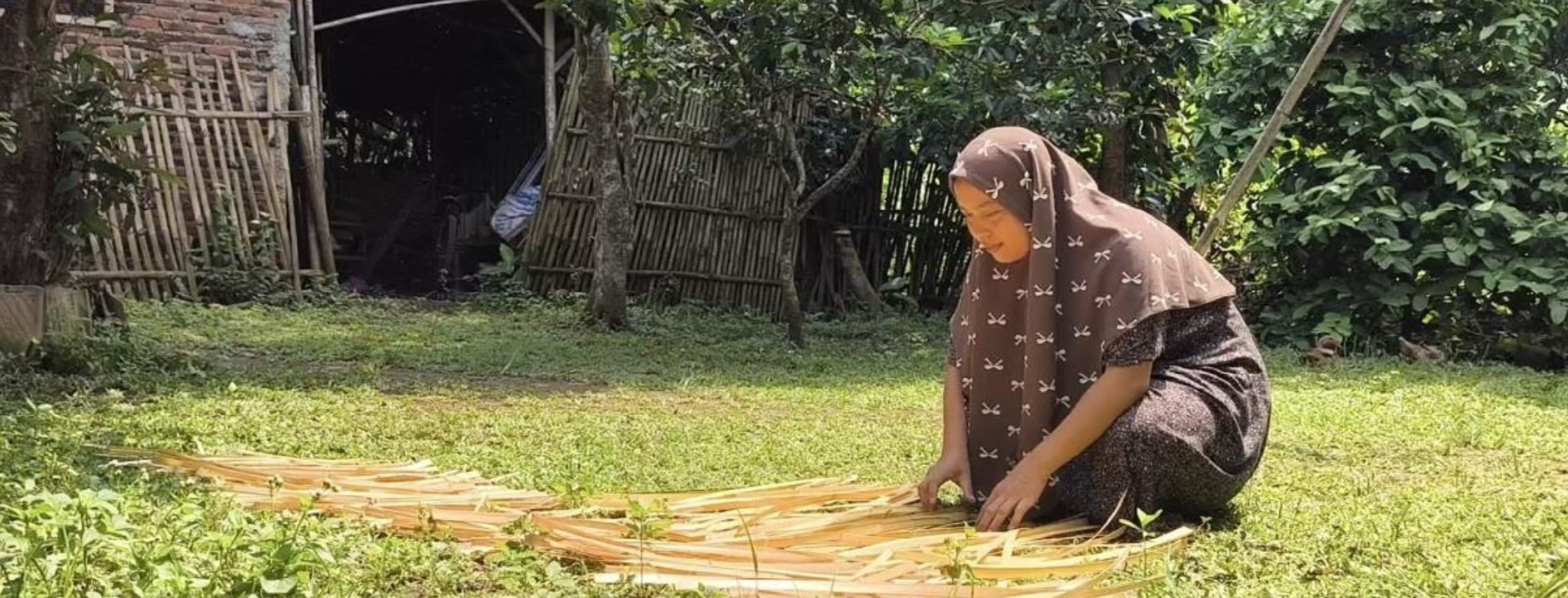
Some have creatively turned leftover materials into new products. Some have started using eco-friendly packaging. Some empower their neighbors to help with production for faster results. Others regularly create educational content about local products on Instagram.
They might not realize they’re practicing green innovation, but in truth, that’s exactly what it is—innovation born from limitation.
Adaptation Isn’t Just for Startups
We—Gen Z and Gen Y—often think adaptation means futuristic technology, unicorn startups, or viral apps. But from women MSME entrepreneurs, we learn something different:
- Adaptation can be as simple as learning to create sales content using an old phone.
- Adaptation can mean experimenting with new delivery services to ship goods out of town.
- Adaptation can be the courage to start selling online, even without understanding Instagram’s algorithm.
These small things form the foundation of community resilience. And in a broader sense, they’re what allow society to keep going amid climate disruptions.
From Small Shops to the Frontline
Sometimes we forget—the frontline in facing the climate crisis isn’t only made up of environmental activists or government officials. They’re important, of course. But there’s another layer often unseen: women MSME entrepreneurs busy in their kitchens and small stalls.
Through their small businesses, they’re not just supporting their own families, but also:
- Maintaining food access in their communities.
- Keeping the local economy moving.
- Building solidarity within their neighborhoods.
- Proving that anyone can adapt.
If you think about it, they’re actually the first line of defense when a crisis hits.
UMKM Bersuara and the Long Journey of Adaptation
This is why UMKM Bersuara exists. Not just as an information platform, but also as a space for learning, sharing, and empowerment. Because every time a woman dares to upload her product on Instagram, learns how to create a digital catalog, or tries a new strategy in an online marketplace, it’s not just a business move. It’s an act of adaptation. It’s a step toward resilience.
And every small step, when combined, becomes a powerful force.
Lessons for All of Us
From the stories of these women entrepreneurs, we—Gen Z and Gen Y—can learn many things:
- Adaptation doesn’t have to be complicated. Start small.
- Technology can be a weapon. Even simple apps like WhatsApp can save a business.
- Resilience is born from togetherness. MSMEs grow because of supportive communities.
The climate crisis is a massive problem. But we can’t just wait for top-down solutions. We can learn from the ground up—from the humble kitchens where the struggle for life begins.
Conclusion
The climate crisis is real, and its impact is already being felt today. But behind all this uncertainty lies extraordinary resilience from local MSMEs, especially women. With the support of digital technology, they’re showing that adaptation isn’t just a theory—it’s a daily practice.
So, if someone asks who is truly on the frontline of the climate crisis, don’t rush to point at advanced technology or grand policies. Because the answer might be in the hands of a woman busy uploading photos of her products from her home kitchen. And perhaps, from there, the future of our climate resilience is being built.